File · Architecture
How the platform works.
Nusantara Procurement Data turns 1,785,304 public SPSE tenders, and the SiRUP procurement plans behind them, into tables you can query and an agent you can question. This page follows the data from the first HTTP request to the answer on screen: what each part does, why it is built that way, and what it guarantees to the next part.
Overview
The whole system
Two halves share one warehouse file format and nothing else. The data platform (platform/) crawls, loads, models and tests; it is the only thing that writes. The agent (agent/) only ever reads a published copy. The website (web/) talks to the agent over HTTP.
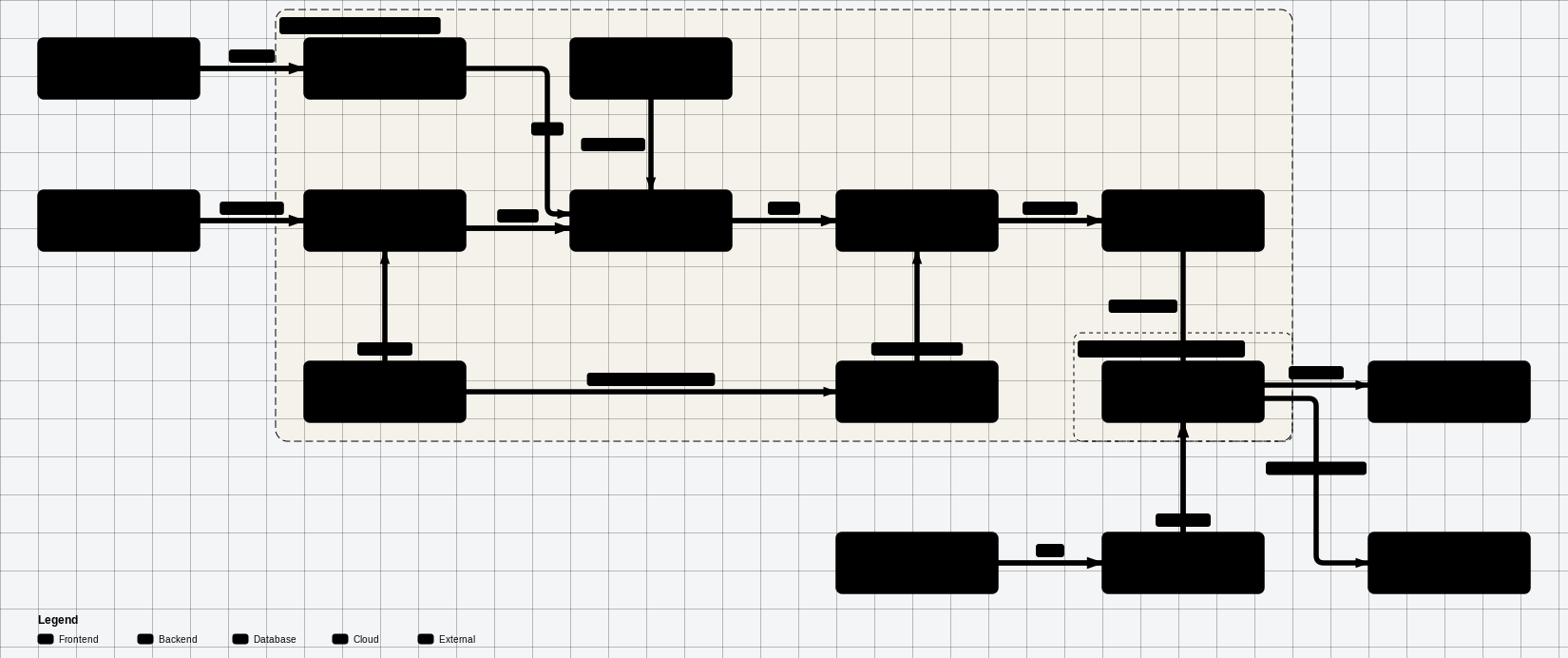
- Sources
- SPSE (spse.inaproc.id), 599 LPSE portals with no API; SiRUP (sirup.inaproc.id), every provider package of the procurement plans; Kemendagri province and regency codes
- Ingestion
- Two Python crawlers (requests + BeautifulSoup) feeding dlt pipelines
- Warehouse
- DuckDB, one file, schemas raw_* → staging → intermediate → marts
- Transformation
- dbt-duckdb: 55 models and 149 tests, seeds, one SCD2 snapshot
- Enrichment
- Tender sectors from names: curated keywords, then a vote by a small embedding model, computed offline
- Orchestration
- Dagster: assets, partitions, schedules, four sensors and three concurrency pools
- Serving
- A versioned, read-only DuckDB snapshot with a CURRENT pointer
- Agent
- FastAPI, LangGraph, sqlglot; hosted open-weight language models with automatic fallback; a web search for what the data cannot answer
- Website
- Next.js and Tailwind; Server-Sent Events for the chat; RSS feeds for watchlists
Shared on request, free
Read the full architecture
The tender data is public and stays open to everyone. The analysis built on it and the design in detail are for people evaluating the work: recruiters, hiring managers, reviewers and researchers. Ask below and you get a personal link by e-mail, or use the access code you were given. One grant opens all of it:
- The full architecture: crawlers, Dagster, dbt, serving, the agent and its evaluation
- Every tender's 18 integrity indicators, its price against similar tenders and its SiRUP plan
- The company network, and each company's competitors and indicators
- Package splitting: every group of direct purchases planned under the limit, package by package
- The research agent and the web search, and more questions a day
- The SQL editor: run and change any answer's query on the same data
- Watchlists of any table view as RSS feeds